Why it matters
Sets expectations for how early-stage work is reviewed.

How Prototype Orders Work is a strong fit for teams placing first-run parts that still need fit, function, or process questions answered. Our team helps customers in Riverside and across the Inland Empire move projects forward with practical review, clear communication, and fabrication support that matches the real demands of the job.
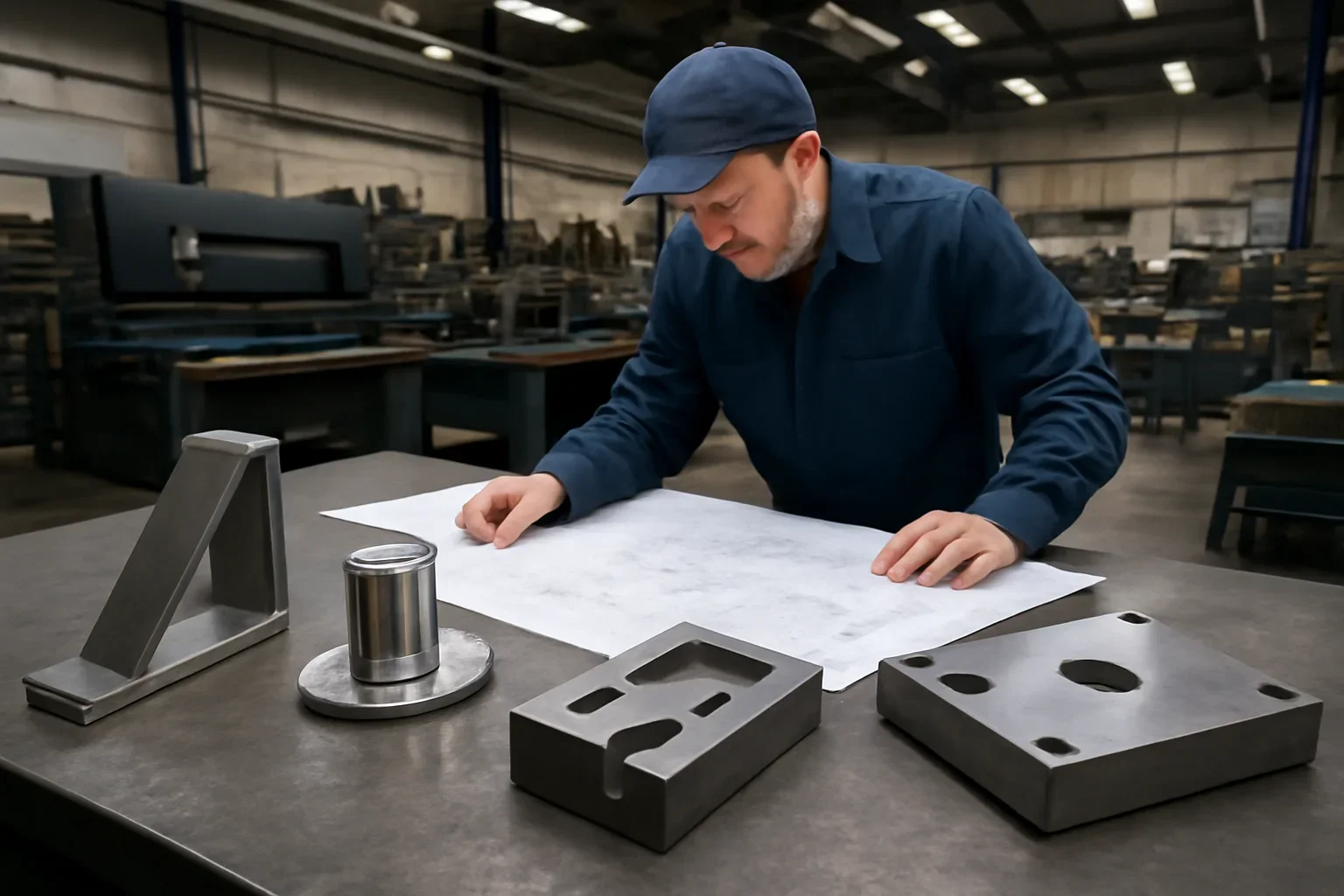
Prototype orders move best when the team is clear about what is being tested. Support content like this gives buyers, contractors, engineers, and operations teams a better way to prepare for the next conversation.
Sets expectations for how early-stage work is reviewed.
Helps avoid treating a prototype like a locked production job.
Supports faster learning before larger commitments.
Good prototype work captures open questions, not just part dimensions. That is especially important when the job is custom, the schedule is tight, or the drawing package may still change.
The result should help the next release get better, not just ship once. A cleaner support path usually means a cleaner quote path too.
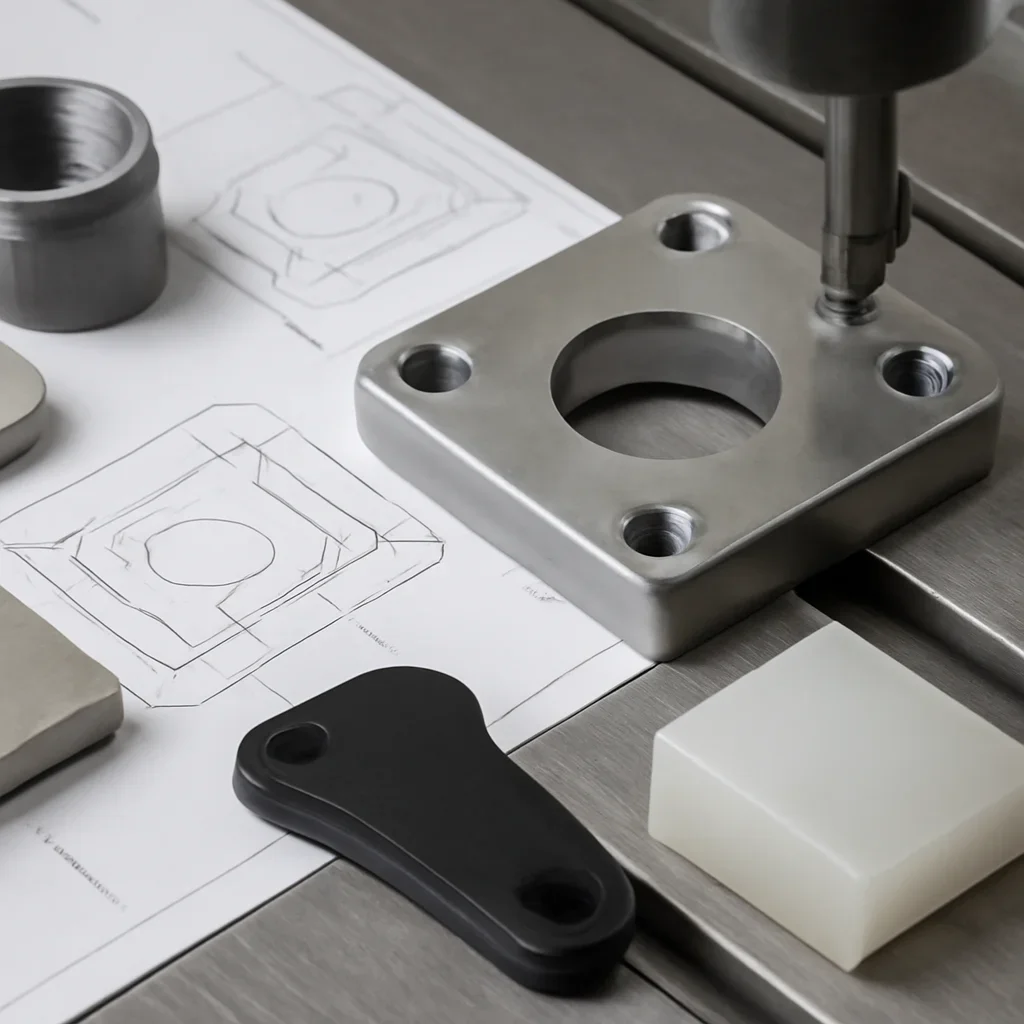
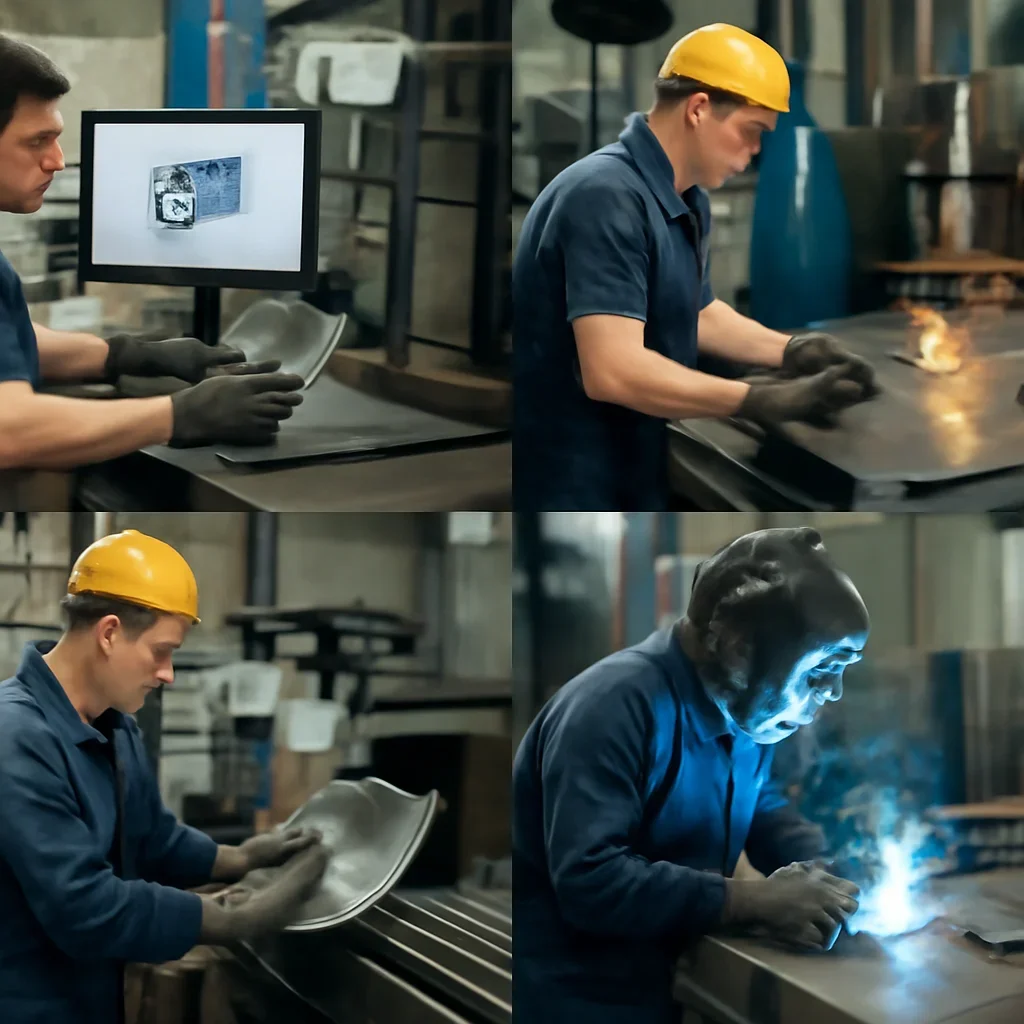
The goal is usually to test fit, function, installation, or production assumptions before larger quantities are released.
Yes. Clear labeling prevents early-stage parts from being mistaken for final production files.
Useful feedback focuses on what changed, what worked, and what still needs to be improved.
Share your drawings, part details, or open questions. We will review the scope and point you toward the clearest next step for the job.