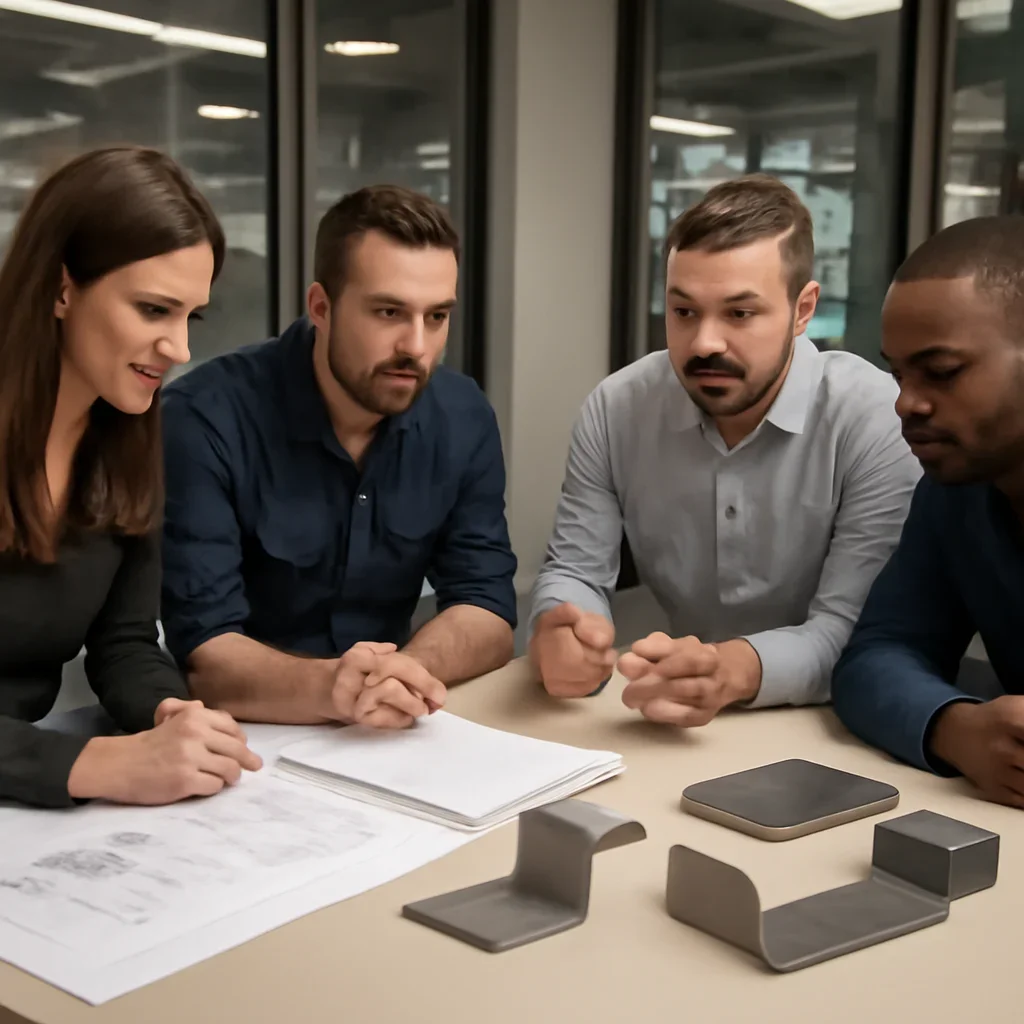
Practical fit
better fit at assembly because bend decisions are made early

Forming & Bending is a strong fit for parts that need predictable bends, cleaner fit, and geometry that works in the real world. Our team helps customers in Riverside and across the Inland Empire move projects forward with practical review, clear communication, and fabrication support that matches the real demands of the job.
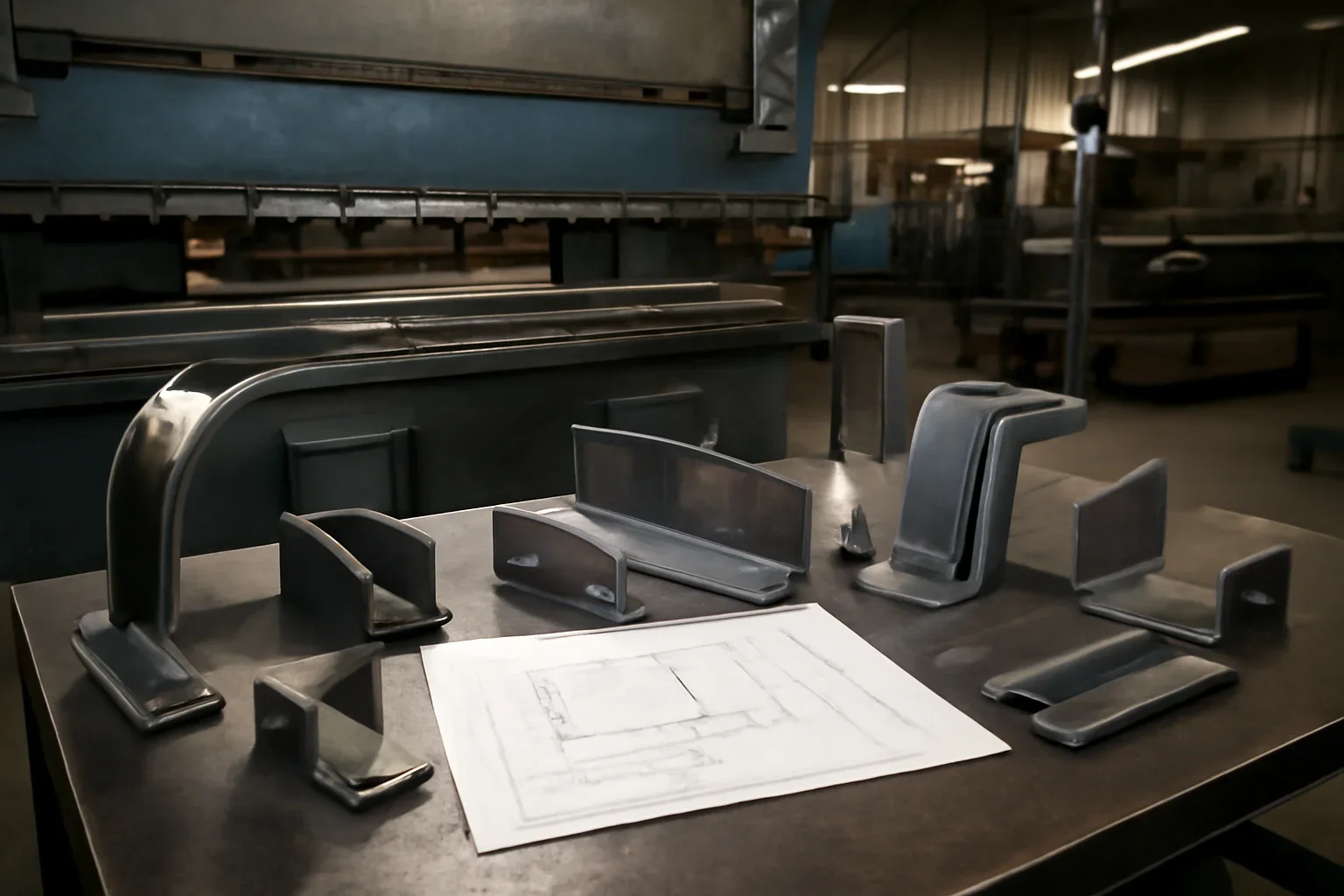
better fit at assembly because bend decisions are made early
support for flange lengths, reliefs, and tool access
fewer surprises when the bend plan matches the drawing intent
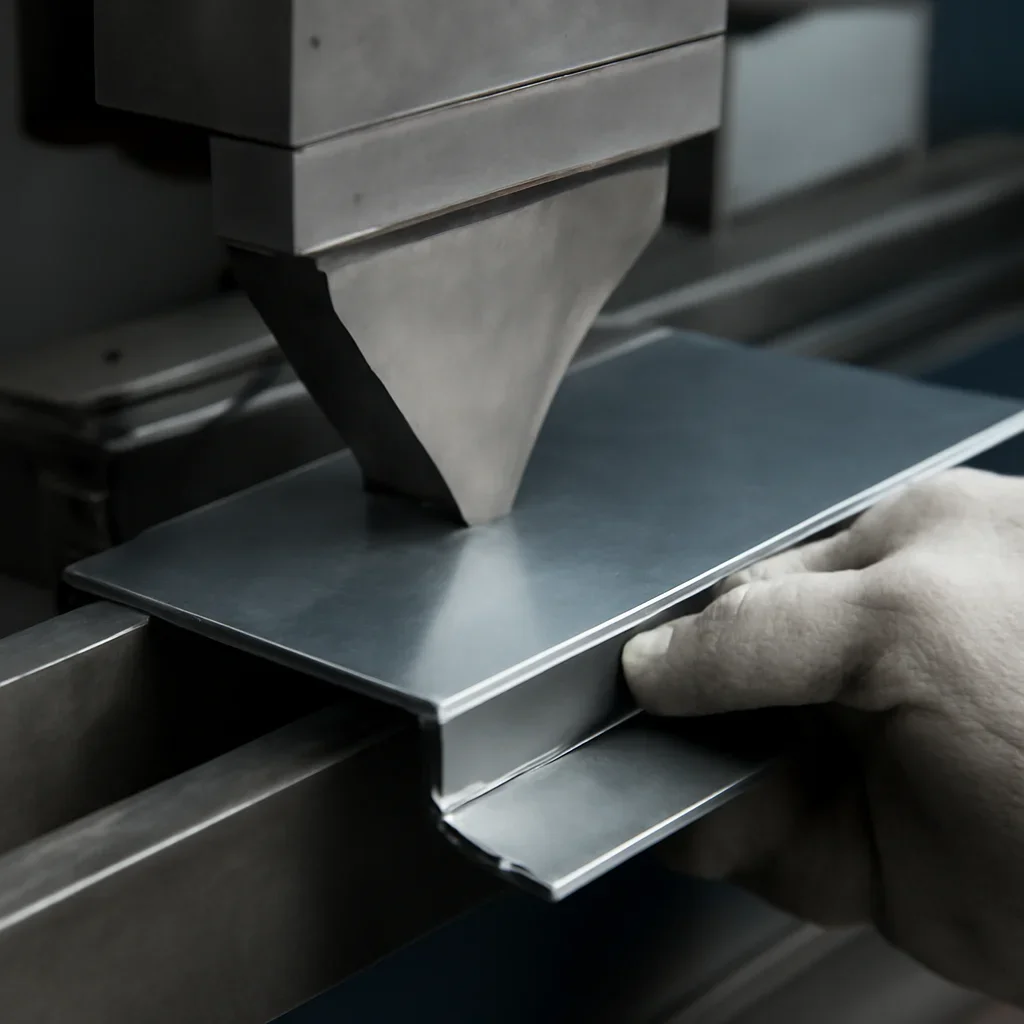
Bend sequencing, springback awareness, and feature placement. That matters because fabrication choices tend to compound once material is ordered, bends are programmed, or weld sequence is locked.
Formed brackets, covers, channels, trays, and structural details. A stronger review keeps the conversation grounded in the way the part will actually be used, assembled, delivered, or repeated later.
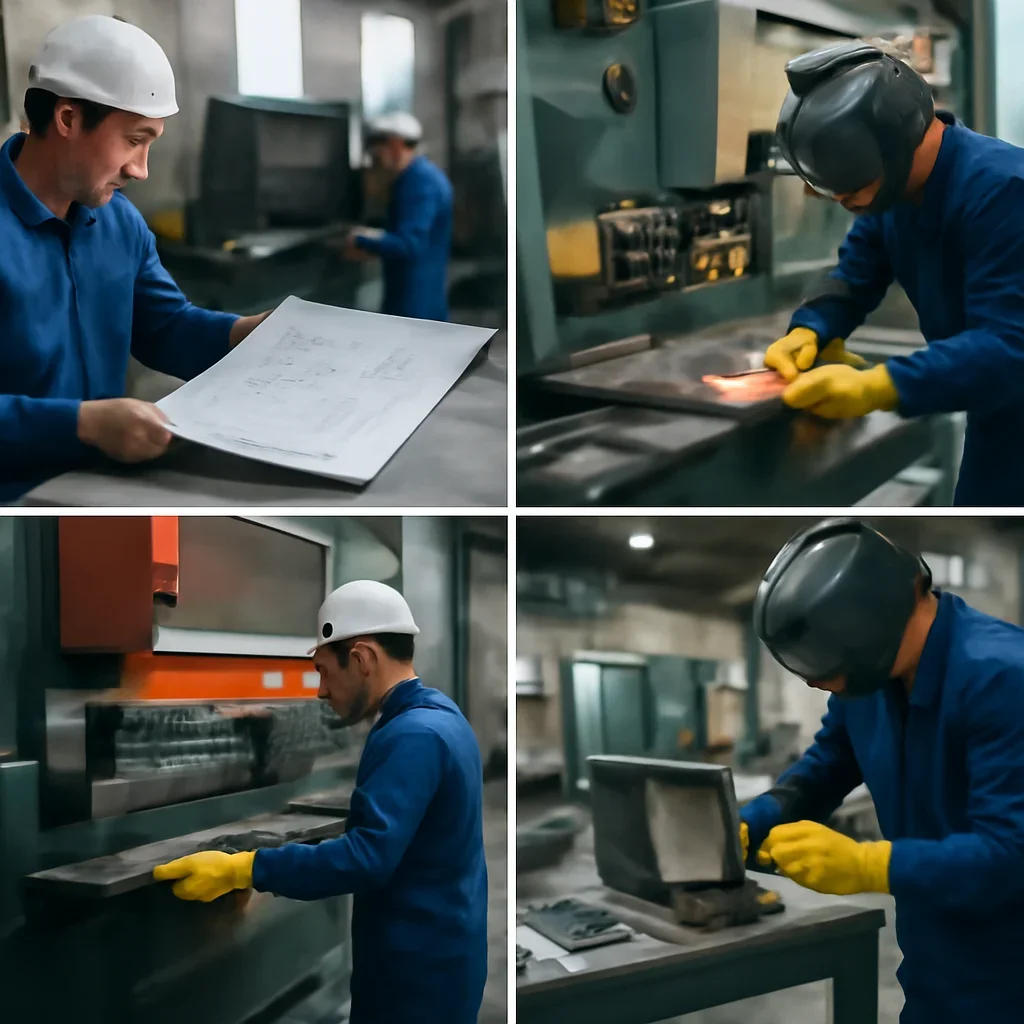
Most projects move best when drawings, quantities, material preferences, and timing are reviewed together. That keeps the quoting conversation tied to the real scope instead of a partial picture.
When questions show up early, they are easier to solve. That is especially true for custom work, replacement parts, prototype learning, and jobs that may turn into repeat production.
Material type, thickness, grain direction, bend radius, flange length, and feature placement all influence the result.
A part can look fine on paper but still create tooling or access issues, so a small design adjustment may improve manufacturability.
Yes, when the geometry is realistic and the bending process is matched to the material, formed parts can be produced with strong repeatability.
Send the files, quantities, material notes, and target timing you have today. We will review the scope and outline the most practical next step for your project.