Why it matters
Shows what production-ready documentation looks like.

How Production Orders Work is a strong fit for teams preparing repeatable jobs that need smoother scheduling and fewer surprises. Our team helps customers in Riverside and across the Inland Empire move projects forward with practical review, clear communication, and fabrication support that matches the real demands of the job.
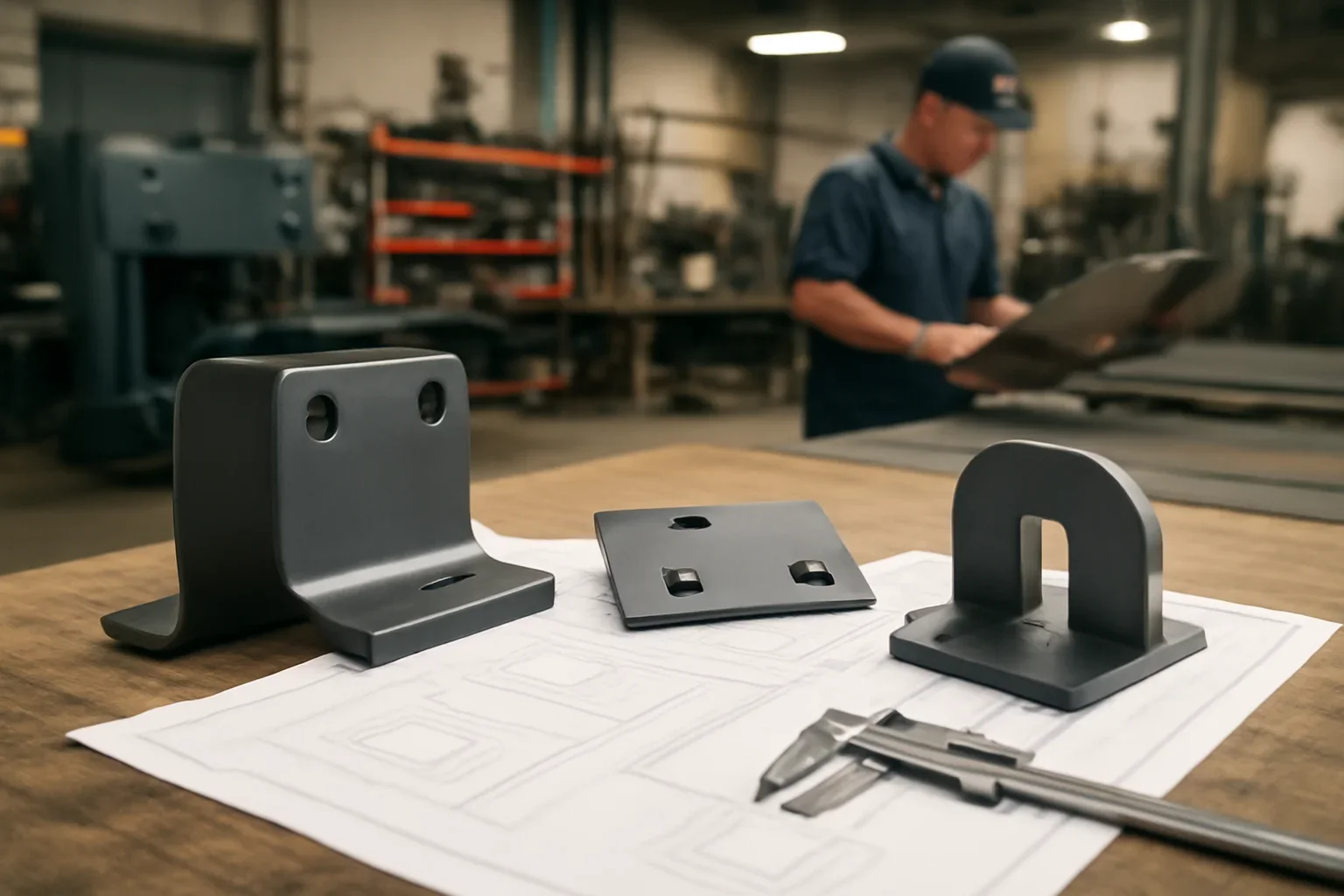
Production orders work best when the drawing is stable and revision questions are closed. Support content like this gives buyers, contractors, engineers, and operations teams a better way to prepare for the next conversation.
Shows what production-ready documentation looks like.
Supports better planning around quantities and release timing.
Helps move stable parts through a cleaner fabrication workflow.
Repeat quantities, release timing, and finish expectations should be clear before scheduling. That is especially important when the job is custom, the schedule is tight, or the drawing package may still change.
A production order should reduce uncertainty, not introduce it. A cleaner support path usually means a cleaner quote path too.
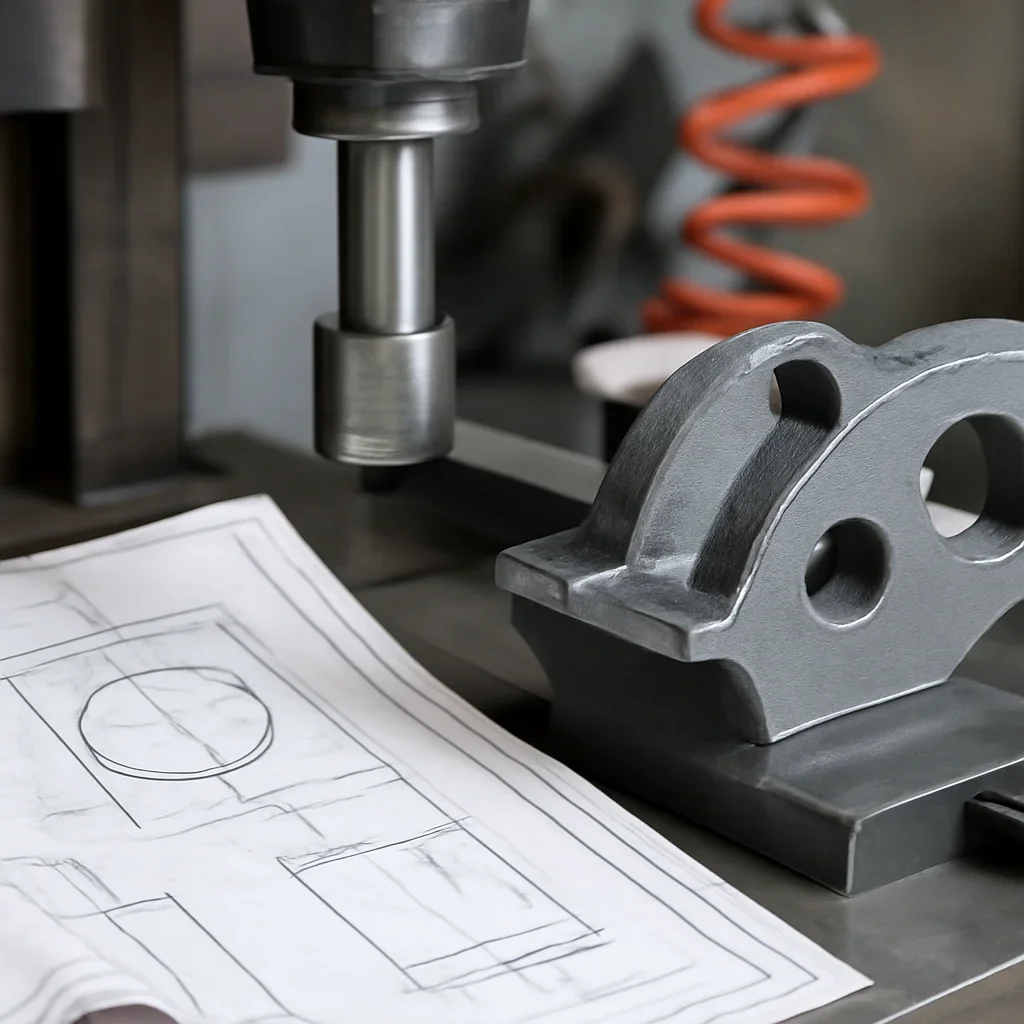
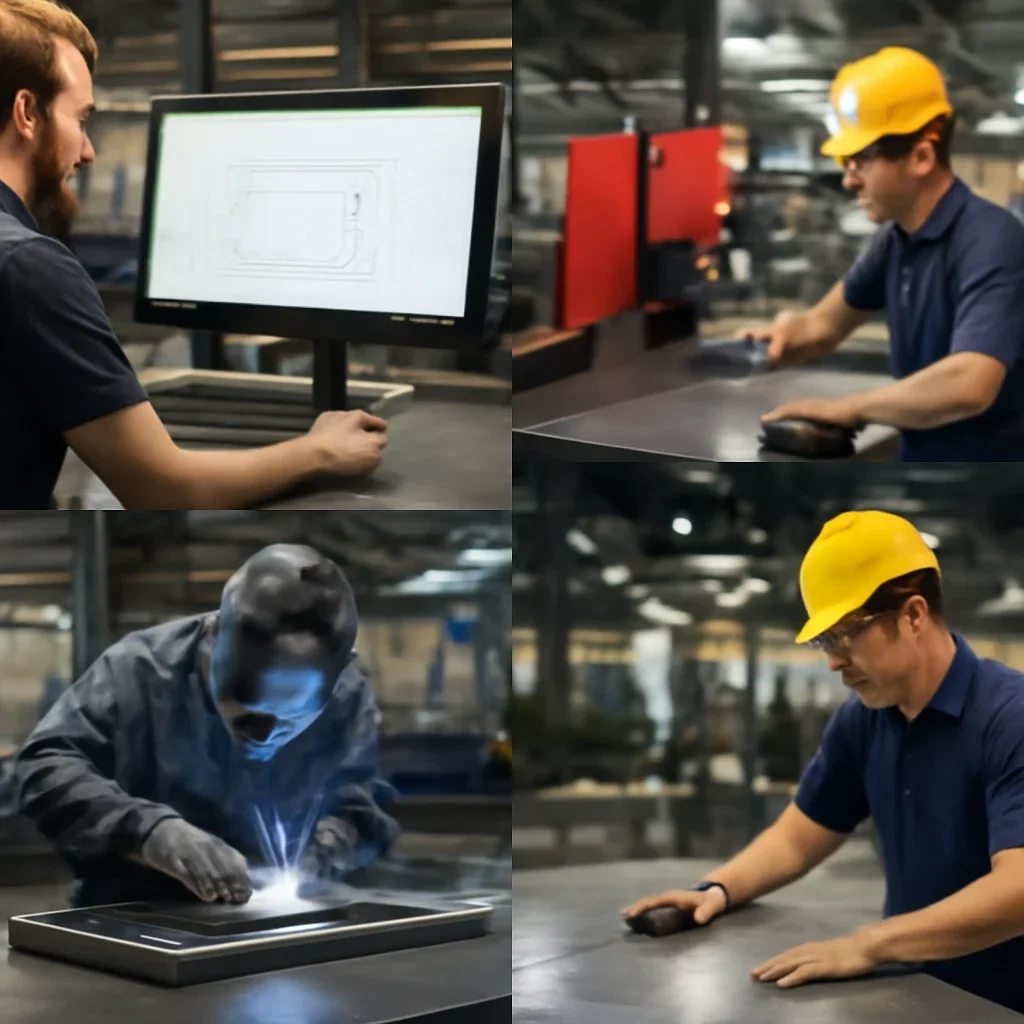
Stable drawings, confirmed materials, repeatable geometry, and a realistic understanding of quantity and timing all help.
Because even repeat work can slow down if revisions, material assumptions, or delivery expectations are unclear.
Share batch expectations, timing needs, and any revision concerns early so the workflow stays predictable.
Share your drawings, part details, or open questions. We will review the scope and point you toward the clearest next step for the job.