Comparison

Outsource Fabrication vs In-House

Outsource Fabrication vs In-House is not just a technical comparison. It affects how the part is designed, how the job is quoted, and whether the finished work matches your timeline, budget, and performance needs.

Real-world tradeoffsCompare process fit, design limits, and production impact.
Cost contextUnderstand where price shifts usually come from.
Decision supportChoose the option that matches your job.
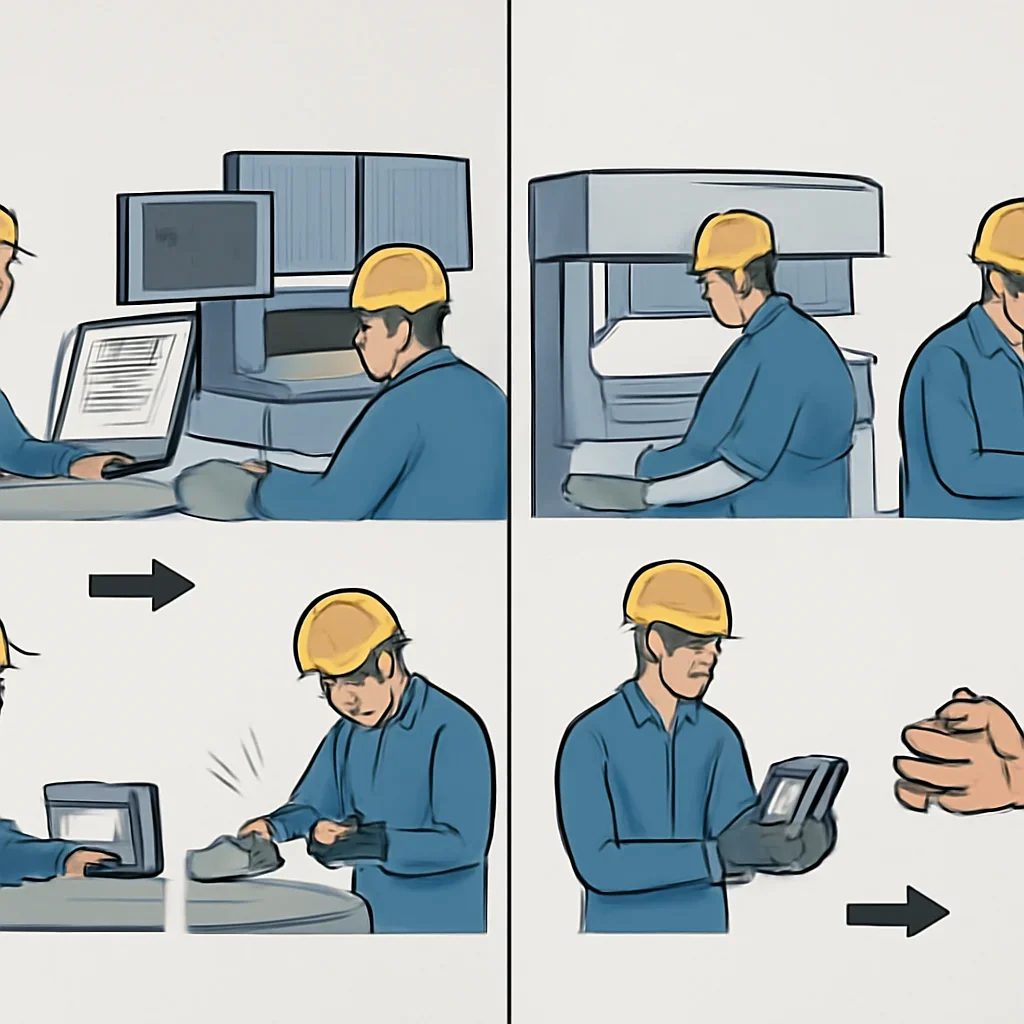
Outsource Fabrication vs In-House at Old Bridge Metal Fabrication with custom fabricated metal parts and project planning
The real choice

Choose the option that matches the part, not the louder buzzword

Capacity pressure, equipment limits, labor focus, and production continuity. The right answer usually depends on geometry, tolerance, quantity, environment, and what the part has to do after fabrication.

When Outsource Fabrication makes more sense

Helps compare labor, workflow, equipment, and schedule tradeoffs. This side often wins when the process aligns naturally with the way the part is built and used.

  • Match the process to the starting material and finished geometry.
  • Consider whether the workflow supports the required quantity.
  • Do not ignore downstream steps such as finishing, assembly, or delivery.
When In-House is the better call

Useful when internal capacity is tight or part mix keeps changing. In many jobs, the better option is simply the one that reduces unnecessary complexity while protecting fit and function.

  • Review the real design limits instead of assuming both options behave the same way.
  • Look at the cost structure across the full job, not one line item.
  • Ask how each path affects lead time, revision risk, and future repeat work.
Decision factors

What usually separates a good choice from an expensive detour

Outsourcing for overflow, special processes, or recurring part families. That means the process choice should be grounded in the way the part will be made, inspected, installed, and repeated later.

Decision factors tied to total workflow efficiency instead of pride of ownership. A short early conversation often prevents the wrong method from being priced, approved, and regretted.

  • Part geometry and starting material
  • Critical dimensions and finish expectations
  • Repeat quantity, revision risk, and delivery timing
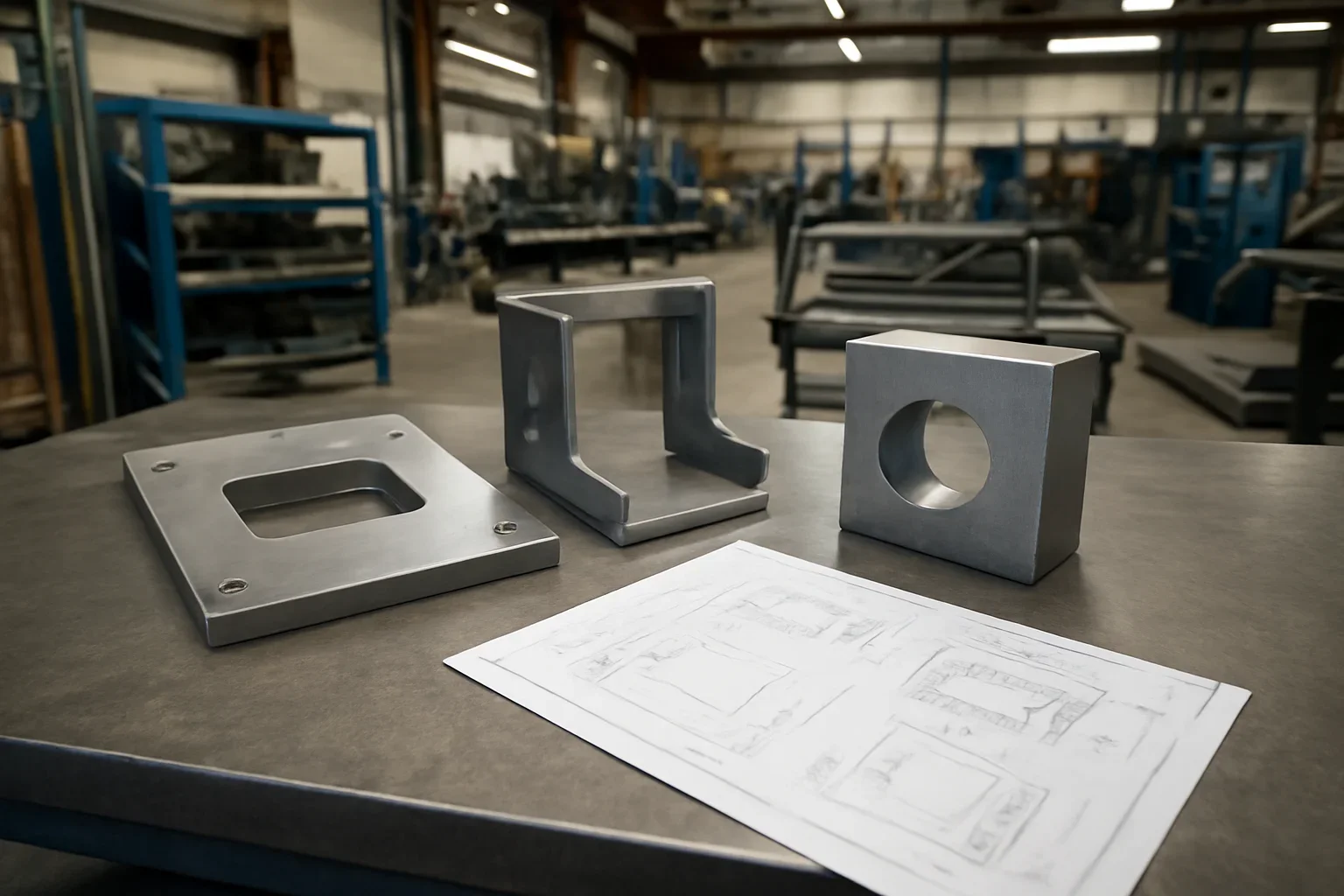
Close-up detail supporting outsource fabrication vs in-house with parts, materials, and fabrication workflow
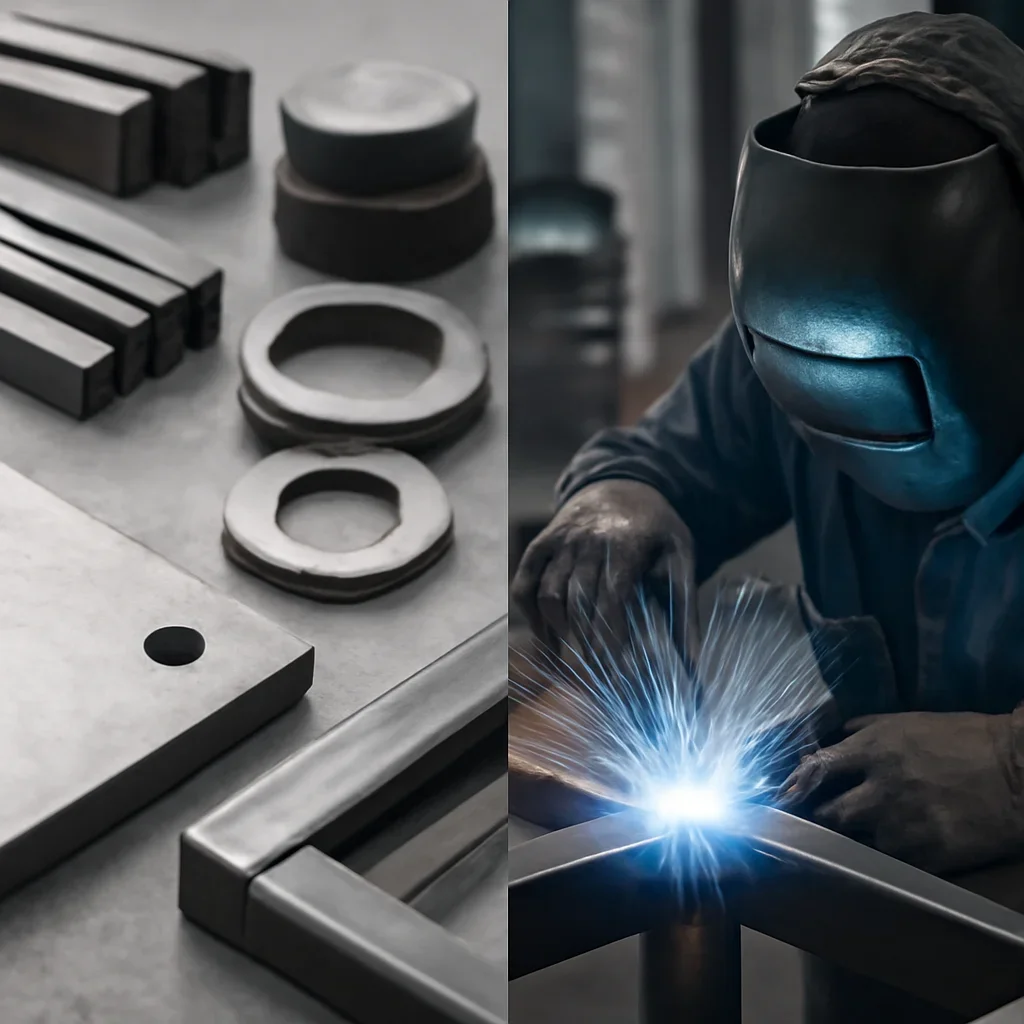
Fabrication workflow for outsource fabrication vs in-house from review through production
Practical guidance

Use the comparison to prepare a better request for quote

Even when the process is not fully decided, you can still move the project forward by sharing the current drawing package, material preference, quantity, timing, and what matters most about the finished part.

That makes it easier to judge the options against the actual job instead of an abstract comparison. It also creates a cleaner handoff into support resources, pricing conversations, and the quote request page.

Common questions

Clear answers before you commit to one path

When does outsourcing fabrication make sense?

It often makes sense when internal teams are overloaded, the needed process is not available in-house, or part demand is too uneven to support internally.

Does outsourcing reduce control?

Not when the documentation, communication, and revision process are handled well. In many cases it improves overall clarity.

Should everything be outsourced or nothing?

Not necessarily. Many businesses use a hybrid approach and outsource only the work that stretches internal capacity or needs specialized fabrication support.

Need help deciding between outsource fabrication and in-house?

Send the file package, part goals, and timing you have today. We will look at the job and outline which route fits the project more cleanly.

Project discussion around outsource fabrication vs in-house with the Riverside fabrication team