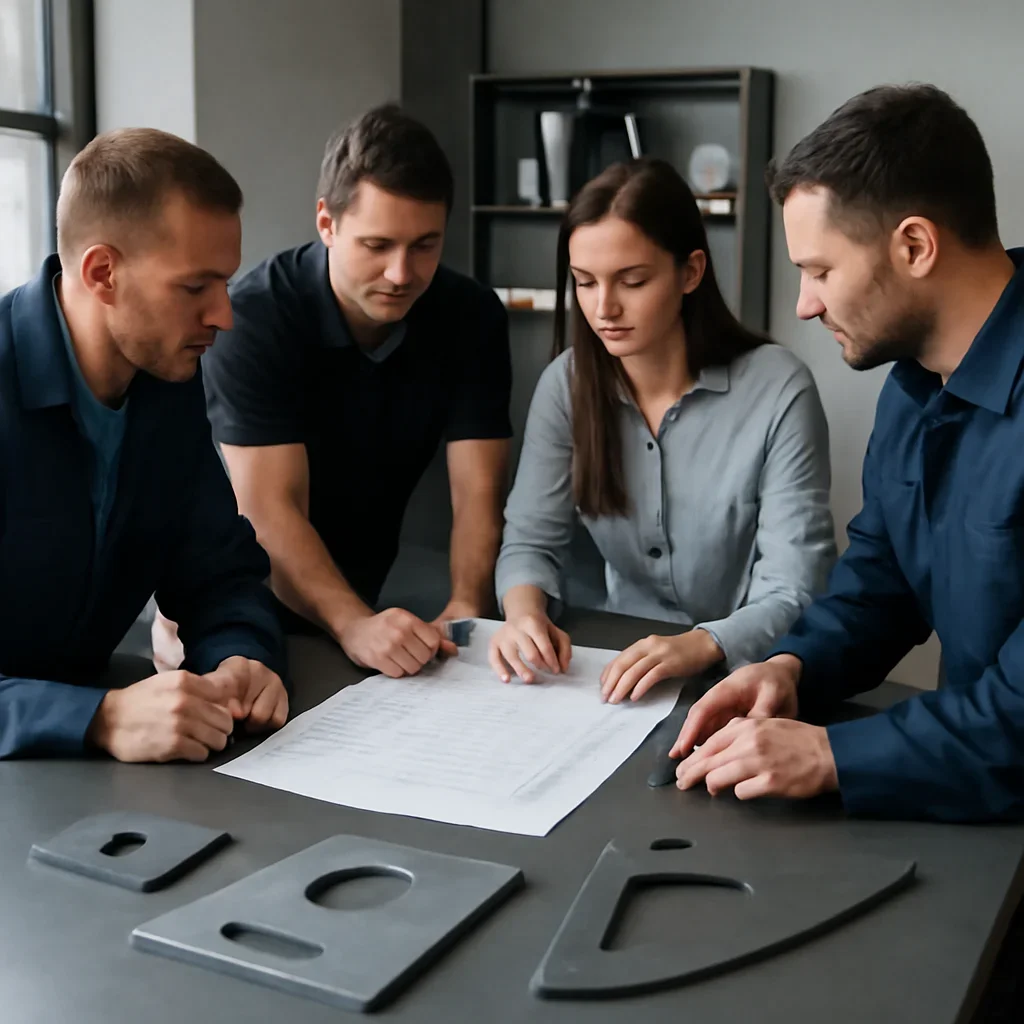
Practical fit
no heat-affected zone from the cutting process

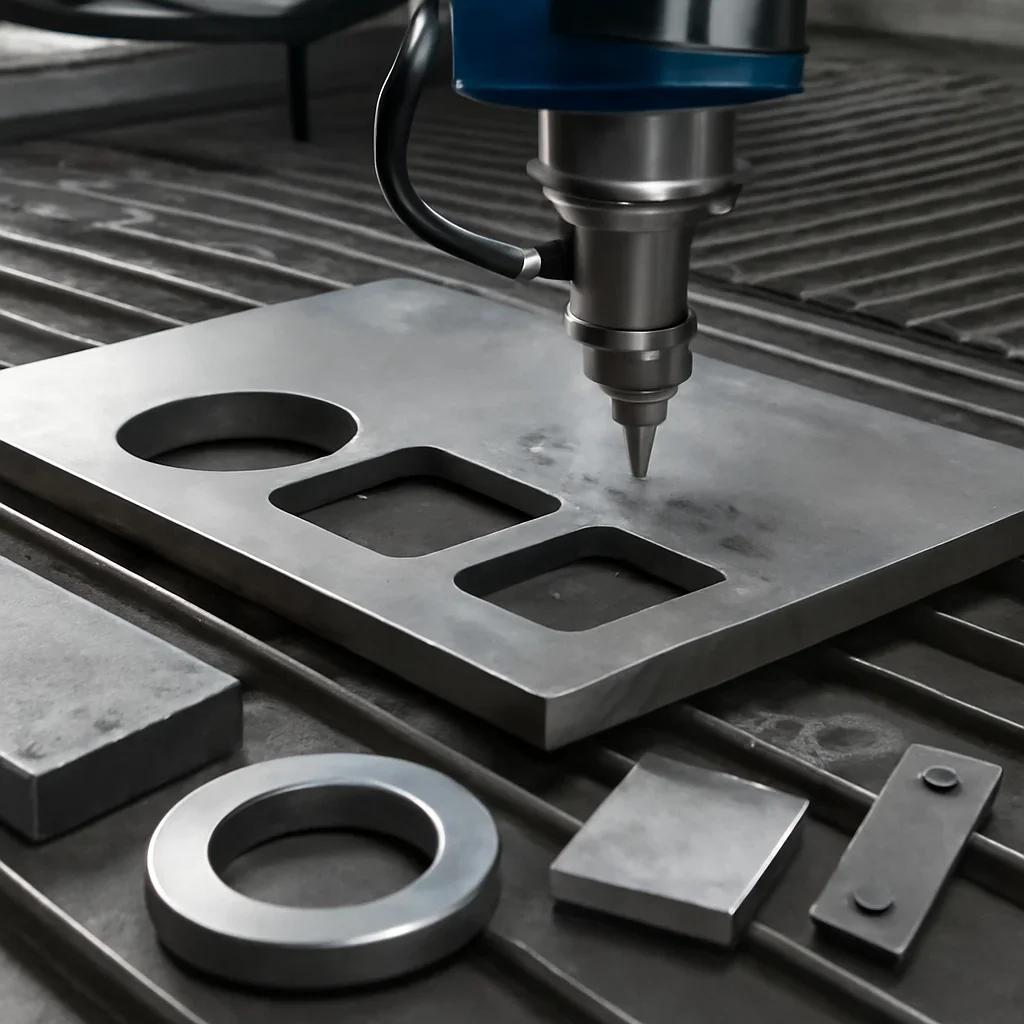
Waterjet Cutting is a strong fit for projects where heat-free cutting, material flexibility, or thicker sections are part of the decision. Our team helps customers in Riverside and across the Inland Empire move projects forward with practical review, clear communication, and fabrication support that matches the real demands of the job.
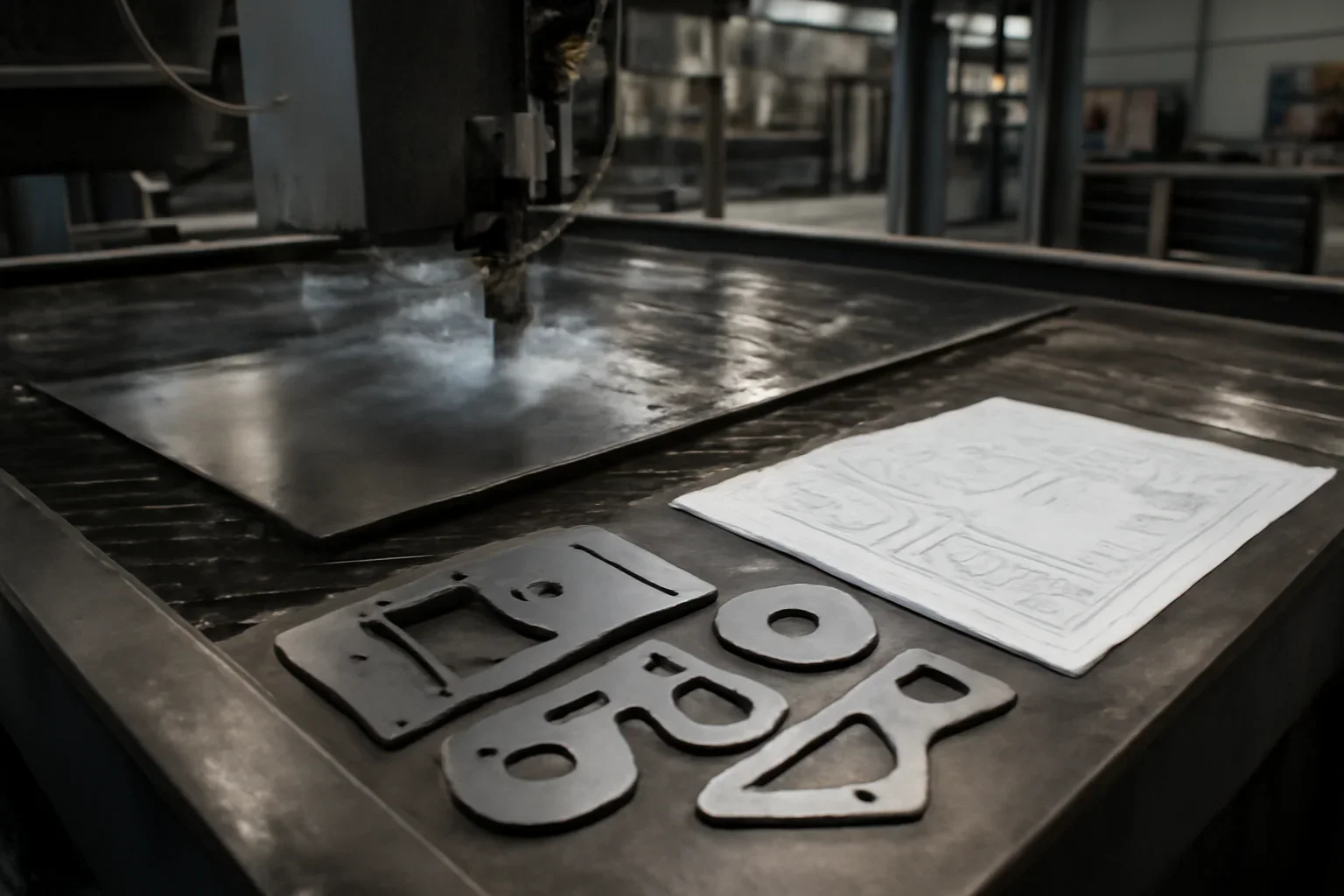
no heat-affected zone from the cutting process
useful across a broad mix of materials
helpful when thickness or edge condition drives the choice
Parts where thermal impact is a concern. That matters because fabrication choices tend to compound once material is ordered, bends are programmed, or weld sequence is locked.
Mixed-material projects and profiles that need careful process selection. A stronger review keeps the conversation grounded in the way the part will actually be used, assembled, delivered, or repeated later.
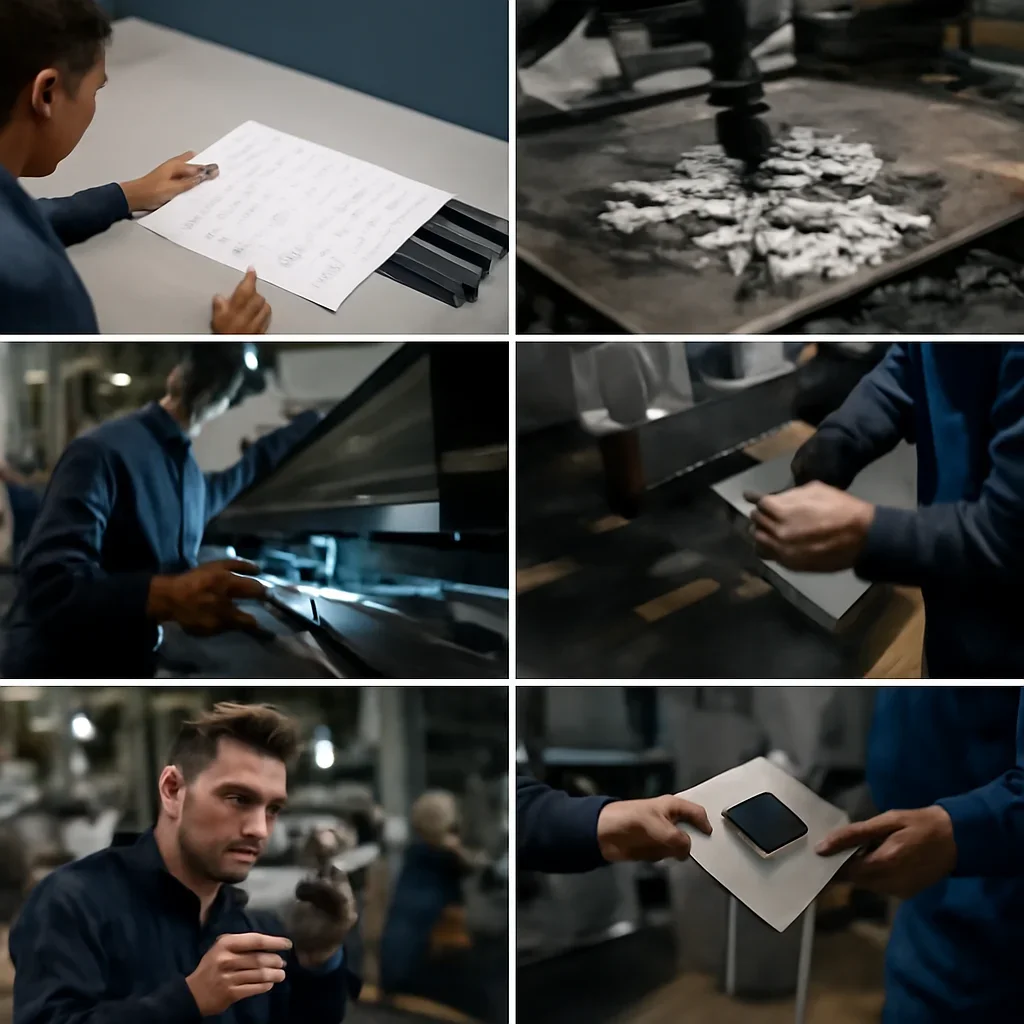
Most projects move best when drawings, quantities, material preferences, and timing are reviewed together. That keeps the quoting conversation tied to the real scope instead of a partial picture.
When questions show up early, they are easier to solve. That is especially true for custom work, replacement parts, prototype learning, and jobs that may turn into repeat production.
It is often useful when avoiding heat input matters, when materials vary, or when the thickness makes other processes less practical.
It can be slower depending on the job, but the process may still be the better choice when edge condition or thermal concerns carry more weight.
The decision usually comes down to material, thickness, edge requirements, quantity, and how the part will be used after cutting.
Send the files, quantities, material notes, and target timing you have today. We will review the scope and outline the most practical next step for your project.