Blog

TIG vs MIG Welding: Which Process Fits Your Part?

TIG vs MIG Welding: Which Process Fits Your Part? matters because small fabrication decisions can change cost, lead time, fit, and long-term performance. Use the points below to think through the topic before you send drawings or approve the next step.

Plain-English guidanceUseful takeaways without filler.
Buyer-focused contextBuilt around quoting, production, and project planning.
Next-step clarityUse the article to prepare your next RFQ.
TIG vs MIG Welding: Which Process Fits Your Part? illustrated with fabricated parts, shop drawings, and practical production context
Article overview

What each option does well

Frames, supports, brackets, guards, and repeat production weldments. In fabrication work, that matters because a small early decision can change cost, edge quality, welding effort, bend success, lead time, or future repeatability.

Good fit for production-minded weldments and faster cycle times. Buyers who understand the basics earlier tend to ask better questions and send cleaner quote packages.

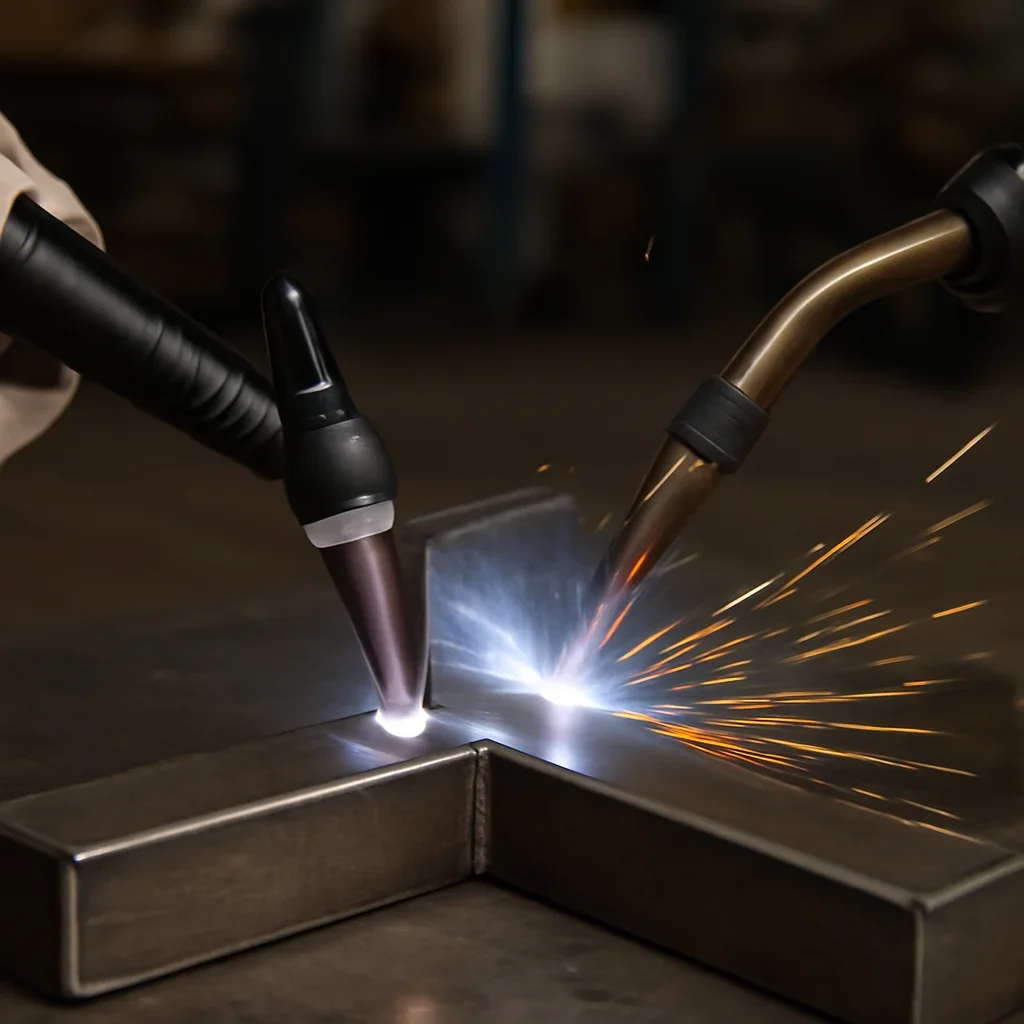
Close-up view supporting the article topic tig vs mig welding: which process fits your part?
Practical takeaways

Where the tradeoffs show up

Start with the real use case

Useful on thicker sections and jobs that benefit from quicker welding pace. A part that looks simple on the drawing may still demand a different process once installation, durability, or finish expectations are considered.

Protect the quote from missing context

Strong option when appearance is important but not the only driver. Missing notes, unstable revisions, and vague material choices are some of the fastest ways to create preventable delays.

Before your next request

How to choose for a real job

Use these points as a filter for the next project you send out. Ask whether the drawing package reflects the current revision, whether the material and finish choices match the real environment, and whether the part is being priced around how it will actually be built.

That approach does more than improve the quote. It also improves the production conversation that follows. When the package is cleaner, it becomes easier to discuss timing, tolerances, repeat releases, and what should happen if the part changes after the first run.

Related next steps include Request a Quote, Support Center, and Capabilities.
Common questions

Quick answers on this topic

When is MIG welding the better fit?

MIG is commonly chosen for production-friendly work, thicker sections, and assemblies where speed and repeatability are important.

Can MIG support one-off projects too?

Yes. It is not limited to high volume. MIG can also be a practical fit for short runs and custom assemblies when the part design supports it.

What affects MIG welding quality?

Joint fit-up, material condition, weld access, sequence, and realistic tolerances all shape the finished result.

Need help applying these points to a live fabrication project?

Send the drawing package, quantities, material notes, and timing you have today. We will review the scope and point you toward the next practical step.