Start with the real use case
Engineering feedback before a release moves into repeat ordering. A part that looks simple on the drawing may still demand a different process once installation, durability, or finish expectations are considered.

Prototype Fabrication Checklist Before You Send an RFQ matters because small fabrication decisions can change cost, lead time, fit, and long-term performance. Use the points below to think through the topic before you send drawings or approve the next step.
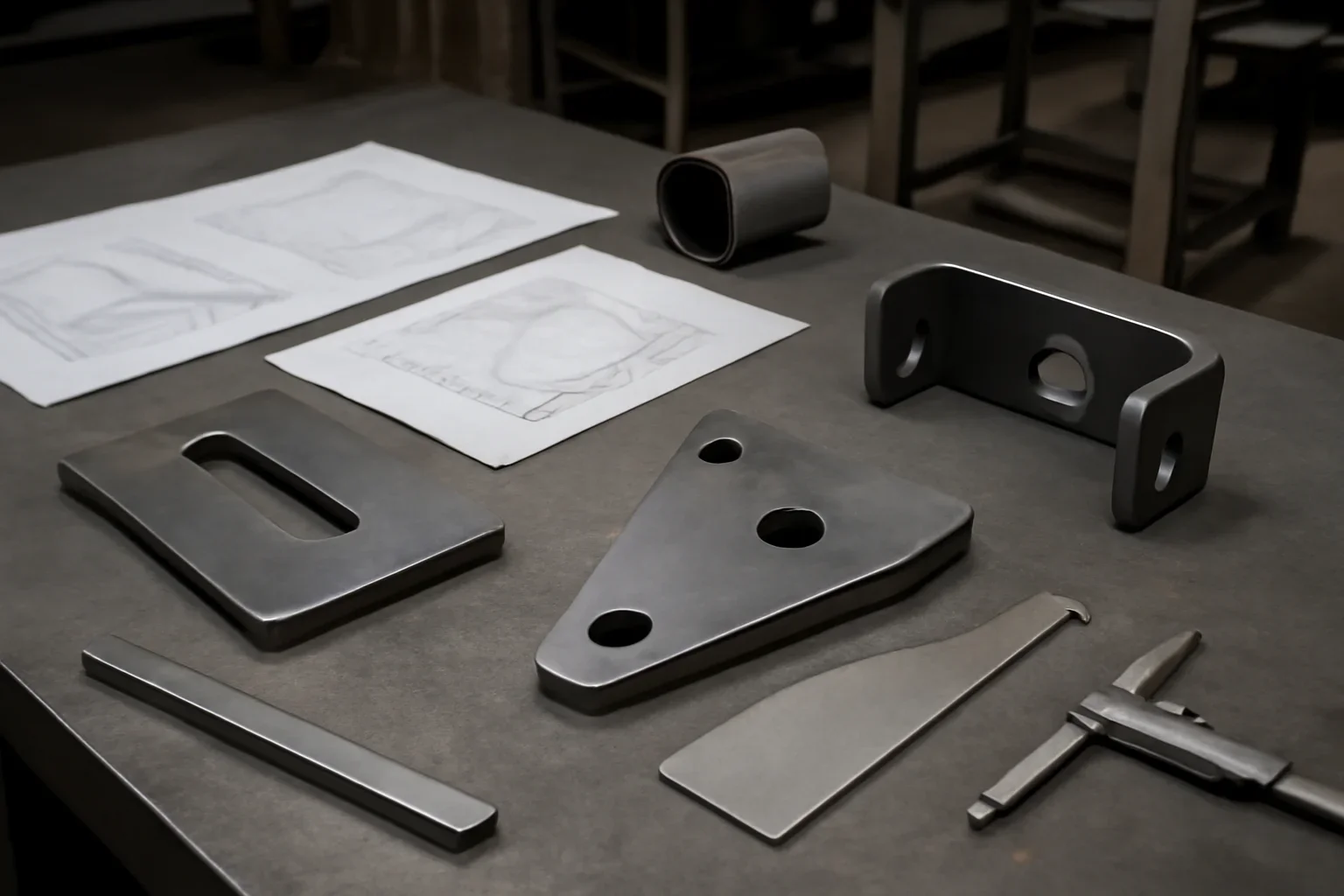
Single parts, small batches, first-run assemblies, and fit checks. In fabrication work, that matters because a small early decision can change cost, edge quality, welding effort, bend success, lead time, or future repeatability.
Faster learning on geometry and assembly details. Buyers who understand the basics earlier tend to ask better questions and send cleaner quote packages.
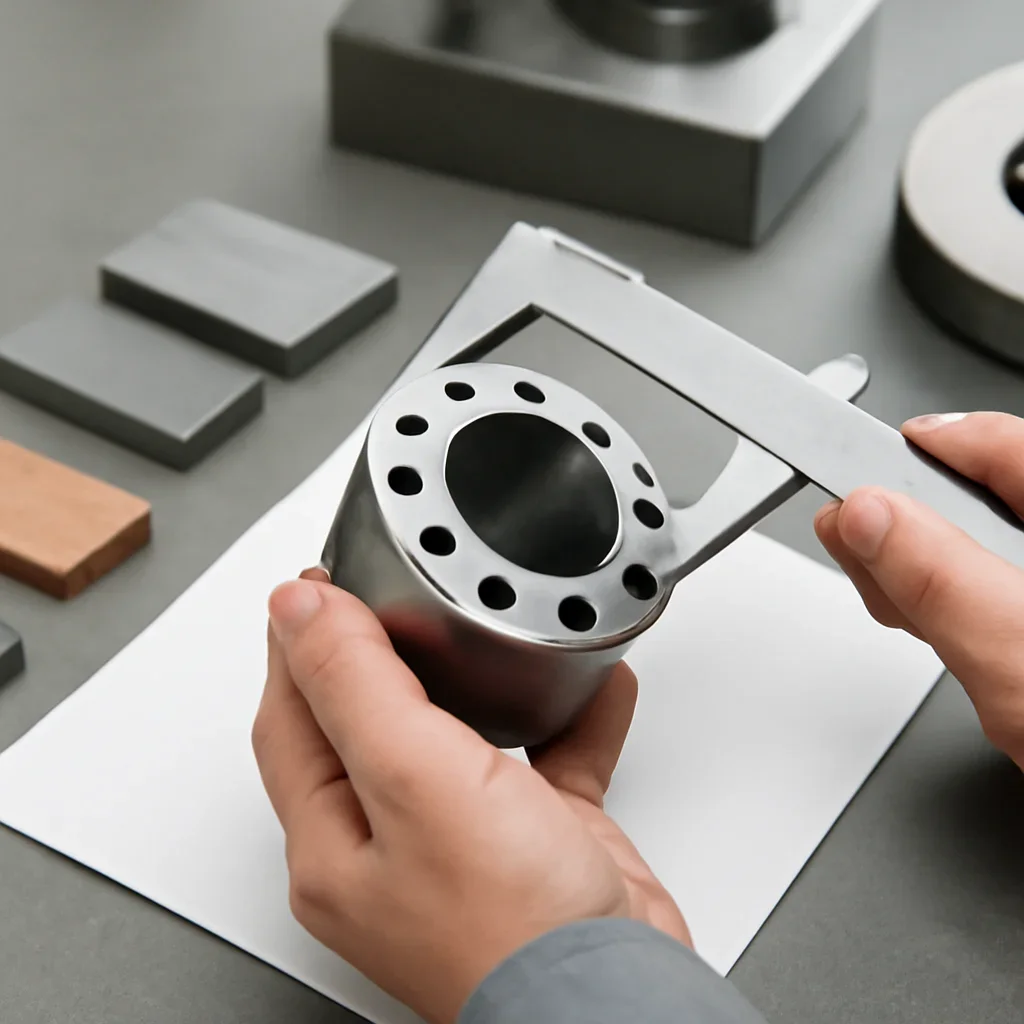
Engineering feedback before a release moves into repeat ordering. A part that looks simple on the drawing may still demand a different process once installation, durability, or finish expectations are considered.
Useful when schedules demand real parts instead of assumptions. Missing notes, unstable revisions, and vague material choices are some of the fastest ways to create preventable delays.
Pages such as file format requirements, material options, and project intake checklist help turn these takeaways into action.
Use these points as a filter for the next project you send out. Ask whether the drawing package reflects the current revision, whether the material and finish choices match the real environment, and whether the part is being priced around how it will actually be built.
That approach does more than improve the quote. It also improves the production conversation that follows. When the package is cleaner, it becomes easier to discuss timing, tolerances, repeat releases, and what should happen if the part changes after the first run.
A prototype gives the team a chance to test fit, installation, assembly sequence, and real-world function before a larger commitment.
Not always. Early-stage projects can still move forward as long as the critical dimensions, material choices, and questions are clear.
Yes. That is often the goal. The prototype stage helps confirm what should stay the same and what should change before scaling.
Send the drawing package, quantities, material notes, and timing you have today. We will review the scope and point you toward the next practical step.