Why it matters
Helps separate critical dimensions from dimensions that do not need extra cost.

Tolerances is a strong fit for buyers who need realistic dimensional expectations before a part reaches production. Our team helps customers in Riverside and across the Inland Empire move projects forward with practical review, clear communication, and fabrication support that matches the real demands of the job.
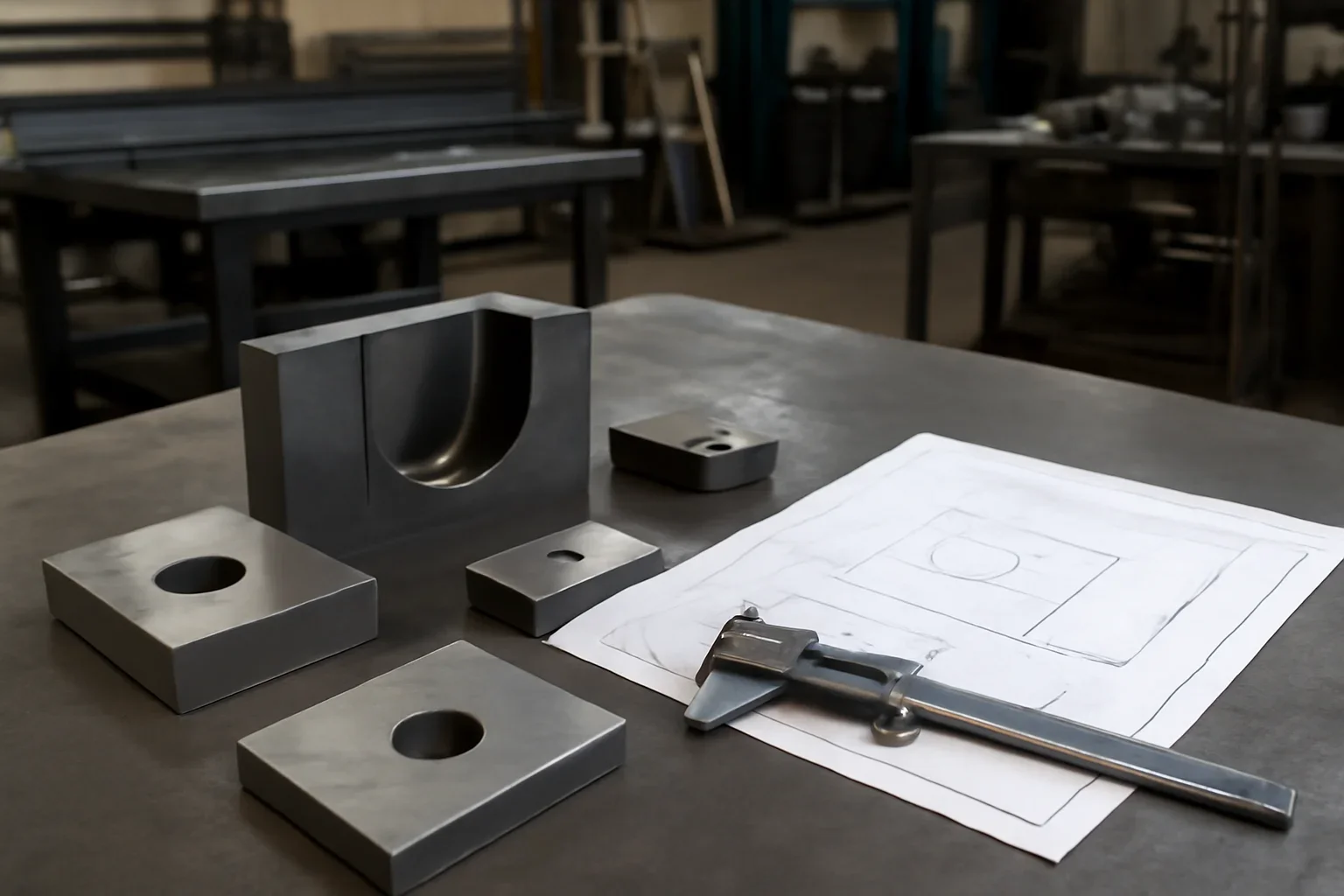
Tolerances should match how the part functions and how it will be fabricated. Support content like this gives buyers, contractors, engineers, and operations teams a better way to prepare for the next conversation.
Helps separate critical dimensions from dimensions that do not need extra cost.
Reduces confusion between design intent and fabrication reality.
Supports more reliable quoting and cleaner inspection decisions.
Tight callouts add cost when they are applied everywhere instead of where they truly matter. That is especially important when the job is custom, the schedule is tight, or the drawing package may still change.
Critical fit areas deserve more attention than purely nominal features. A cleaner support path usually means a cleaner quote path too.
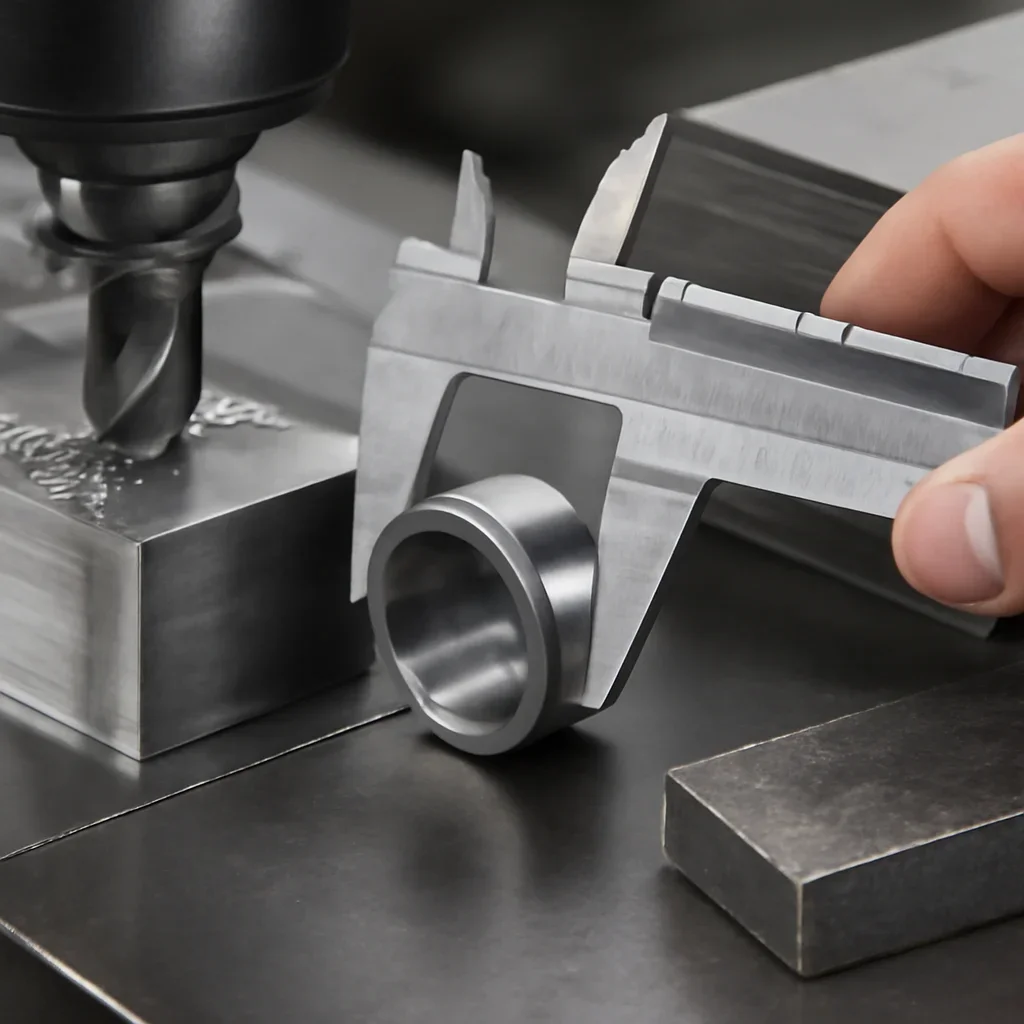

Tighter tolerances may require extra process control, slower workflow, additional checks, or a different fabrication approach.
Usually no. It is better to identify the dimensions that truly affect fit or function and keep the rest practical.
The process and material influence what is realistic, so tolerance decisions should be made with fabrication in mind.
Share your drawings, part details, or open questions. We will review the scope and point you toward the clearest next step for the job.